Herniated disc treatment · Metro East
Your immune system is supposed to eat a herniated disc. Most of what we do is make sure nothing in your body is stopping it.
A lumbar disc herniation is usually broken down by your own macrophages (clean-up immune cells) over months. Insulin resistance, smoking, sleep loss and a return-to-work date set by somebody else all slow that process. We treat those as seriously as the disc.
Does a herniated disc heal on its own?
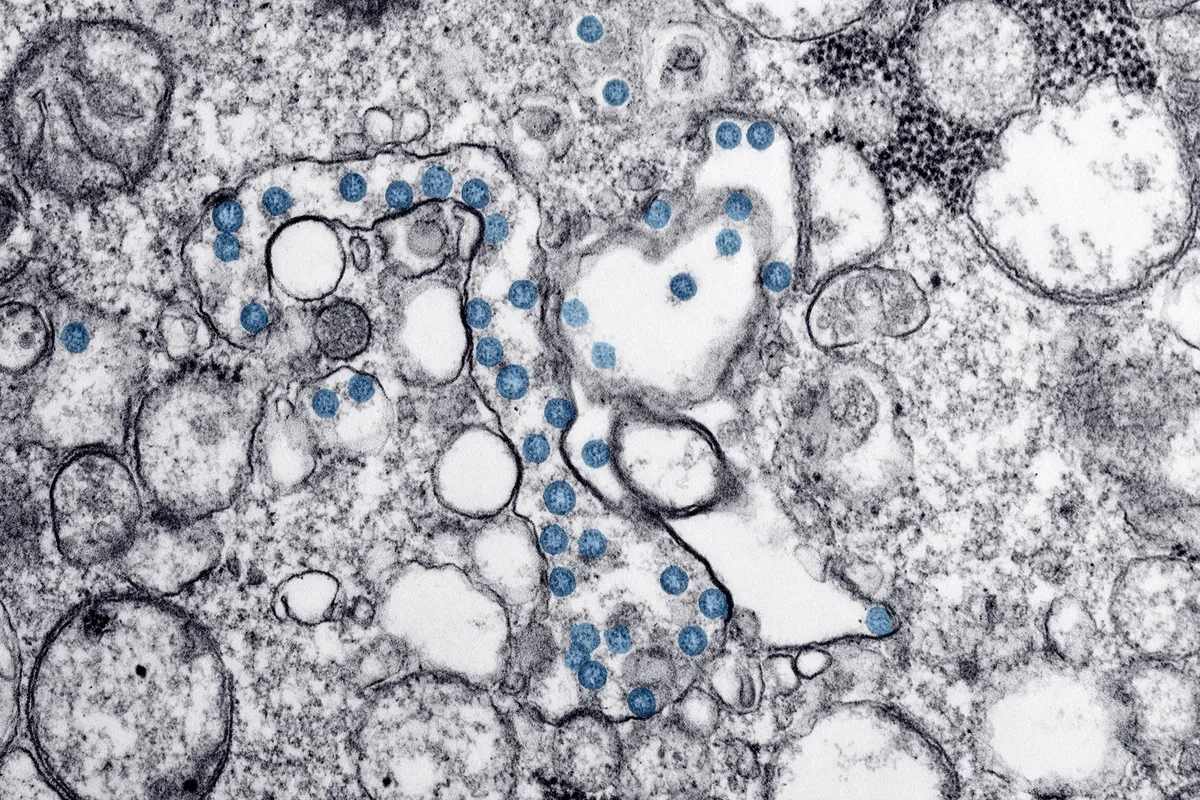
The center of a disc is a wet gel sealed behind a tough outer ring, the annulus, since before you could walk. It has no blood supply, so your immune system has never met it. When the annulus tears and that gel pushes through, the body treats it like any foreign material. New vessels grow into the fragment, macrophages arrive, and the fragment is digested. Cunha and colleagues describe this inflammatory response as the engine of regression (shrinking). It explains a paradox: pieces that have broken fully free are cleared faster than modest bulges.
96%
Across 31 studies of conservatively treated lumbar herniations reviewed by Chiu and colleagues, spontaneous regression was seen in 96% of sequestered fragments, 70% of extrusions, 41% of protrusions and 13% of bulges. Pooling 11 cohorts, Zhong and colleagues put overall resorption at two in three.
The larger and uglier the fragment on your MRI, the more likely your own biology removes it. The small contained bulge is the one that sits there. It is also the one most likely to have been there before the pain started.
What slows herniated disc healing?
The disc is the largest structure in your body without its own blood supply. It is fed by diffusion (slow seepage) across the endplates above and below. Anything that stiffens an endplate starves the disc and slows the immune traffic to a fragment. High blood sugar glycates (sugar-coats) the collagen of the endplate and the disc. Alpantaki and colleagues found the diabetes signal across most of the disc-degeneration studies they reviewed. A high-insulin state also pushes macrophages toward inflaming more than clearing. That is the worst mix for a nerve root sitting next to the fragment. Smoking narrows the vessels that would grow into the herniation.
Dr. Gurpreet Singh Padda, MD, MBA, MHP spent years telling people their A1C was not too bad. The patient with that A1C and a herniation is the one still describing leg pain at month six. The fit patient with the same scan is back at the gym. He says so on the first visit now, because pretending the disc is the whole story is how a three-month problem becomes a three-year one.
Then there is the deadline. The clean-up takes months. The steel works in Granite City runs on shifts. The warehouses along I-255 run on scan rates. When a return-to-work date is set by a schedule instead of by the biology, the patient loads a disc that has not resealed. Then the same level gets hurt again. The disc did not fail. The timeline did.
The Illinois version of the pressure
Work injuries in the Metro East get an MRI fast and a demand for a surgical answer faster. The Illinois Workers’ Compensation Commission administers the claim, and the two-choice rule in 820 ILCS 305/8(a) generally leaves the choice of treating physician with the injured worker; a case-specific question is for an attorney or the IWCC. A good pain record inside that process shows a path over time, not a snapshot. Seated tolerance, walking distance, lifting capacity and strength are measured at every visit. Injured at work covers the rest, and after a car accident covers the same logic on the highway.
When does a herniated disc need surgery?
The Leiden trial by Peul and colleagues took 283 people whose sciatica had lasted six to twelve weeks. It randomized them between early microdiscectomy and conservative care with surgery if needed. The surgical group got leg-pain relief faster. At one year 95% of both groups reported recovery, and 39% of the conservative group had needed an operation by then. The trial left out prior spine surgery, cauda equina signs and severe other illness. But the shape holds: surgery is faster, waiting is not worse for most, and a minority need the operation either way.
THE USUAL HERNIATION
Pain mostly in the leg, a matching exam, a fragment at the matching level, and no weakness that is getting worse. The plan makes the months bearable while the fragment is cleared: a transforaminal epidural where pain is blocking movement and sleep, walking as prescribed, and the terrain work below.
A LARGE FRAGMENT WITH STABLE WEAKNESS
It sounds backward, but the big extruded fragment is the one most likely to resorb (be absorbed). So size alone is not a reason for surgery. Weakness that is present but not getting worse is watched, with strength measured at each visit. A diagnostic transforaminal block decides where a surgical opinion should aim.
A SURGICAL PROBLEM, NOW
Weakness worsening between visits, a foot drop that appeared suddenly, numbness across the seat, or any change in bladder or bowel control. This practice performs microdiscectomy when conservative and interventional options are exhausted or the nerve is losing function, and operating-room cases for Illinois patients can be scheduled at Anderson Hospital in Maryville, where Dr. Padda holds surgical privileges. Emergencies go to an emergency room first: when it is an emergency.
How is a herniated disc treated without surgery?
An epidural does not touch the fragment. It lowers the chemical irritation around the root so you can walk, sleep and let the macrophages finish. Walking matters for a physical reason: the disc has no pump but you. Each loading cycle moves fluid across the endplate the clean-up depends on. Sleep matters because the cytokines (inflammation signals) that sensitize the root climb after a short night. It also matters because the repair hormones pulse in deep sleep, which a rotating schedule steals. Food matters because every insulin spike raises the inflammatory tone the root sits in. That is the 40 to 50 percent of the protocol with no needle in it, prescribed rather than suggested. The fear is treated too. A person told their disc is ruptured stops bending, then walking, then sleeping. Now the root has an out-of-shape body around it. That fear is treated by our own licensed, pain-trained behavioral clinician with Acceptance and Commitment Therapy, in-house rather than by referral, because unhooking movement from fear is what lets the walking prescription happen.
Frequently asked questions
Do I need a referral to be seen for a herniated disc?
No. Herniated disc visits are booked directly, MRI or not. Some insurance plans want a referral from your primary doctor on file before they pay, so check your card. What to expect on a first visit from Illinois covers what to bring.
How long does a herniated disc take to heal?
Weeks for the pain to become bearable in most people. Months for the fragment to be cleared. Longer on a terrain of insulin resistance, smoking or chronic short sleep. The leg-pain side of the timeline is on the sciatica page.
Does a bigger herniation mean I need surgery?
Usually the opposite: fragments that have broken free are cleared faster than small contained bulges. What decides surgery is function: weakness that is getting worse, or pain that outlasts a properly placed injection. That is the point where when injections stop working becomes the relevant page.
Can a herniated disc heal if I have diabetes?
It can. The clean-up is slower because glycated (sugar-coated) endplates starve the disc, and a high-insulin state pushes macrophages toward inflammation rather than clearance. That is why the first visit includes a blood draw, as explained in why a pain clinic checks your blood sugar.
Will going back to lifting at work make my herniated disc worse?
Going back before the annulus has resealed is how the same level gets hurt again. A return date set by a schedule, not by measured function, is the most common way that happens. The documentation that protects you is on injured at work.
What does the first visit look like if I am driving in from Illinois?
An exam, a history someone writes down, a review of any imaging you bring, bloodwork, and a plan set up so you are not crossing the river every week. First visit from Illinois walks through it.
What shouldn’t you do with a herniated disc?
Don’t stop moving. The disc has no pump but you. A person who stops bending, then walking, then sleeping ends up with an out-of-shape body around an irritated root. Don’t go back to heavy lifting before the annulus has resealed, which is how the same level gets re-injured. Smoking, short nights and constant insulin spikes also slow the clean-up.
Can I walk with a herniated disc?
Yes, and you should. Walking is prescribed here, not just allowed. Each step loads and unloads the disc. That moves fluid across the endplates the clean-up depends on, because the disc has no blood supply of its own. When pain blocks walking or sleep, a transforaminal epidural lowers the chemical irritation around the root so the walking can happen.
Can I live a normal life with a herniated disc?
Most people do. In the Leiden trial of 283 people with sciatica, 95% of both the early-surgery group and the conservative-care group reported recovery at one year. Your own immune cells usually clear the fragment over months. Our job is to keep that clean-up running and get you through those months moving, sleeping and working at a pace the disc can handle.
How is a herniated disc diagnosed?
By matching three things: where the pain goes, what the exam finds, and what the MRI shows at the same level. A scan alone is not enough, because small contained bulges are often there before the pain starts. Strength is measured at every visit. When the level is in doubt, a diagnostic transforaminal block shows where the pain is coming from.
Related reading
- Sciatica
- Epidural steroid injection
- Injured at work
- Metabolic health and pain
- Why a pain clinic checks your blood sugar
- When injections stop working
Sources
- Chiu CC et al. The probability of spontaneous regression of lumbar herniated disc: a systematic review. Clin Rehabil, 2015. PubMed 25009200
- Zhong M et al. Incidence of Spontaneous Resorption of Lumbar Disc Herniation: A Meta-Analysis. Pain Physician, 2017. PubMed 28072796
- Cunha C et al. The inflammatory response in the regression of lumbar disc herniation. Arthritis Res Ther, 2018. PubMed 30400975
- Peul WC et al. Surgery versus prolonged conservative treatment for sciatica. N Engl J Med, 2007. PubMed 17538084
- Alpantaki K et al. Diabetes mellitus as a risk factor for intervertebral disc degeneration: a critical review. Eur Spine J, 2019. PubMed 31201565
We will tell you what your disc is likely to do on its own before we tell you what we can do to it
The scan gets read next to your examination and your bloodwork, not instead of them. If the honest answer is that the fragment will be gone in four months and our job is to get you through them, you will hear that.
505 Buckeye Dr, Suite 200
Troy, IL 62294
Procedure clinic: 4499 Woodson Rd, St. Louis, MO 63134, off I-70 next to St. Louis Lambert International Airport. One bridge from the Metro East.