Pain management · O'Fallon, IL
A forty-minute drive from O’Fallon and Scott Air Force Base should not buy you a visit that could have been a phone call, or a phone call that should have been a visit.
O’Fallon is about 40 minutes from our clinic with no traffic. If your household has moved every few years, the plan is built to need as few trips as possible and to make each one count.
Why does chronic pain follow a family from one duty station to the next?
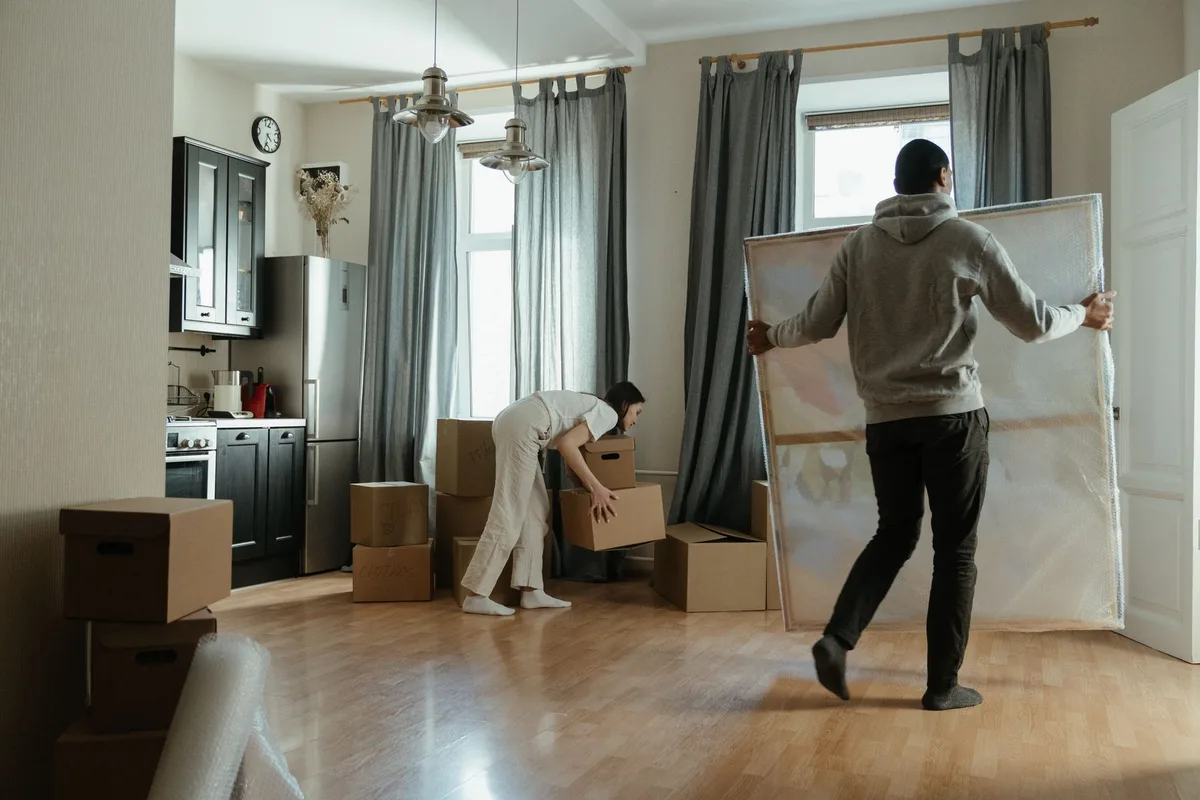
Chronic pain that has followed a household through several moves has a certain shape. The record is thick and scattered across systems that do not talk to each other. Every new clinician starts at page one. By the time someone from O’Fallon reaches us, the question is rarely whether there was an injury. It is why the pain outlived it, and the last four people who treated it.
Three things explain that. First, the biology. A pain signal that runs for years rewires the spinal cord and the brain to amplify it. That is why the original structure can heal while the alarm keeps sounding. Second, the terrain. The metabolic state of the body, insulin most of all, sets how loudly any joint or nerve is allowed to complain. Third, the driver nobody charts: the move itself. It resets care to zero every few years. It rewards a prescription refill over a diagnosis, because a refill survives the move and a workup does not. Across the Metro East it is the story we hear most often near the base.
Under 7%
of US adults are metabolically healthy on the tighter cardiometabolic criteria applied to NHANES after 2021, down from under 12.2% on NHANES 2009–2016. Under 3% of this clinic’s patients, under 1% of those with chronic pain. Practice-reported figures from our own population, not trial outcomes, and individual results vary.
How many trips to the clinic does a pain diagnosis take?
- One visit in person, always. An exam, every record you can gather lined up, imaging read with you, and bloodwork that includes fasting insulin. Nothing is injected on day one.
- A second visit for a diagnostic block where the pattern justifies one. That is because a block is the one test that cannot be done over a screen.
- The decision visit can be a video call. Reviewing the diary, choosing the next step and adjusting medication are talks, not procedures.
- Behavioral and sleep follow-up by video where it is clinically sound. For most of that work, it is.
- Back in person for any procedure, any new symptom, and anything a camera cannot check.
Can chronic pain be treated by telehealth?
A 2018 systematic review found exercise-based telemedicine roughly as effective as usual care for pain, activity and quality of life in adults with chronic pain. The evidence was low-certainty. A 2023 review of app-based programs in chronic pain patients found gains in pain, function or quality of life in several of the conditions studied. The trials were small and short. No study supports a first visit, a procedure or a red-flag check done remotely. So the rule is simple. Hands and needles happen in person. Talk, coaching and review happen by screen where that is safe.
THE LONG-FILE PATTERN
A back, neck or knee injury from years ago. Three or four providers since. Medication that has crept up while function has crept down. The first job is finding today’s pain source, not re-treating the old injury.
THE PAIN THAT HAS GONE CENTRAL
Widespread aching, broken sleep, fog, and a pain that moves. No single structure will block positive. The plan starts with the terrain and the nervous system, not a needle.
THE SHORT LIST THAT IS NEVER A VIDEO CALL
New weakness, numbness in the saddle area, bladder or bowel change, fever with spine pain, or weight loss with no clear cause. Same-week imaging in person, and a surgical opinion where needed.
What was in every one of those files
Nearly every long file has a fasting glucose in the high nineties that someone called not too bad. For years that someone included Dr. Gurpreet Singh Padda, MD, MBA, MHP. He was wrong about that number for two decades. That is why the in-person visit draws blood, and why the plan treats insulin as a pain driver.
The 40 to 50% that travels with you
Behavior is half the protocol here, and it is the half that survives the next move. Acceptance and Commitment Therapy is delivered under this roof by a licensed, pain-trained clinician. A 2024 overview of systematic reviews found it improves pain-related functioning in adults with chronic pain. Here it is also delivered by video where that fits. Sleep is prescribed because a short night lowers tomorrow’s pain threshold. Dropping acellular carbohydrate brings insulin down, and with it the inflammatory tone of every joint lining. Daily walking keeps the muscle that unloads the spine. And moving isolates people by design. We treat that as a pain driver, not a life circumstance.
Where is a spinal cord stimulator implanted for O’Fallon patients?
A stimulator trial happens through the skin in the office. If a permanent implant is the right next step, Dr. Padda holds full staff privileges at Anderson Hospital in Maryville. So the operating-room stage can be done on the Illinois side, closer to home.
How far is the clinic from O’Fallon, IL?
From the base side, I-64 west then I-170 north brings you to I-70 one exit from Woodson Rd. I-255 to I-70 is the other route. Call it 40 minutes with no traffic. Free-flow times from the neighbors:
Frequently asked questions
Can follow-up visits be done by video from O’Fallon?
Decision visits, medication review and the behavioral work can be by video where clinically sound. The exam, any procedure and any new symptom are in person, as what to expect sets out.
Do I need to bring records from previous postings?
Bring everything you can gather, including imaging discs and operative notes. The first visit from Illinois article explains how to get records released before you drive.
Does the behavioral therapy mean being referred somewhere else?
Acceptance and Commitment Therapy is delivered inside this practice by a licensed, pain-trained clinician. The sleep, movement and behavior page explains why it is half the protocol.
What qualifies you for pain management?
Pain that has lasted more than three months and cost you function, or a diagnosis a block or procedure can address. The for Illinois patients page covers how the first visit is set up from across the river.
What does going to pain management do?
It finds out what is causing your pain today, then treats that. The first visit is in person. It includes an exam, your records lined up, your imaging read with you, and bloodwork that includes fasting insulin. Nothing is injected that day. Where the pattern justifies it, a diagnostic block follows at a second visit. The later decision visits can be a video call.
What kind of doctor is best for pain management?
For pain that has outlasted an old injury, you want a physician who can examine you, run the diagnostic block and treat what it finds, with the behavioral work under the same roof. Here that is Dr. Gurpreet Singh Padda, MD, MBA, MHP, an anesthesiologist and interventional pain physician, diplomate in addiction medicine and in obesity medicine, licensed in Illinois and Missouri.
What is the difference between pain management and pain relief?
Relief quiets today’s pain. Management finds out why it is still there. A refill survives a move and a workup does not. That is why so many long files show medication creeping up while function creeps down. Management here means finding today’s pain source instead of re-treating the old injury. It means treating the terrain and behavior that set how loud the pain is.
Related reading
- Your first visit from Illinois
- What to expect
- Sleep, movement and behavior
- Spinal cord stimulation
- When injections stop working
Every trip over the river will have a stated purpose
If you are coming from O’Fallon, you will know before leaving the house what the visit is for and whether the next one must be in person. If the old injury has healed and the terrain is the problem, you will hear that at the first visit.
505 Buckeye Dr, Suite 200
Troy, IL 62294
Procedure clinic: 4499 Woodson Rd, St. Louis, MO 63134, off I-70 next to St. Louis Lambert International Airport. One bridge from the Metro East.
Sources
- Adamse C et al. The effectiveness of exercise-based telemedicine on pain, physical activity and quality of life in the treatment of chronic pain: A systematic review. Journal of telemedicine and telecare, 2018. PubMed 28696152
- Moreno-Ligero M et al. mHealth Intervention for Improving Pain, Quality of Life, and Functional Disability in Patients With Chronic Pain: Systematic Review. JMIR mHealth and uHealth, 2023. PubMed 36729570
- Martinez-Calderon J et al. Acceptance and Commitment Therapy for Chronic Pain: An Overview of Systematic Reviews with Meta-Analysis of Randomized Clinical Trials. The journal of pain, 2024. PubMed 37748597